How custom bags are printed.
Four printing methods cover almost every custom bag: flexo, litho, screen and transfer. Which one runs your job is decided by the material, the number of colours and the quantity, not by preference. This page explains each one, what the finishes add, and what to send us.
The short answerPaper bags are printed by flexography on the reel before the bag is formed, by offset litho on sheets that are then made into bags, or by screen print after forming. Fabric bags are screen printed, embroidered or transfer printed. Foil, embossing, debossing and spot UV are finishing passes applied after printing.
The four methods, and when each one wins
The method is chosen from three things: what the bag is made of, how many colours the artwork uses, and how many bags you are ordering. A one colour logo on 20,000 kraft bags and a full colour photograph on 1,000 laminated bags are different machines, not different settings.
| Method | Runs on | Best for | Limits |
|---|---|---|---|
| Flexography | Kraft paper on the reel, compostable film | Solid colours at high volume, printed before the bag is formed | Up to four colours, no photographic detail |
| Offset litho | Coated art paper sheets | Photographs, gradients, fine detail, full colour | Sheets are printed then made into bags, so short runs cost more per bag |
| Screen print | Formed paper bags, cotton, non-woven | Dense solid colour, strong Pantone match, prints well on kraft | One screen per colour, so cost rises with each colour |
| Digital and transfer | Cotton, non-woven, insulated fabric | Full colour and photographs on fabric, no plates | Surface finish differs from screen, better for smaller runs |
On our range: paper bags take screen print up to four colours, litho or metallic, Pantone matched or full colour. Cotton, non-woven and thermal take screen print, embroidery, digital or transfer print. The insulated tote prints edge to edge by screen or full colour transfer. Compostable film is flexo printed up to two colours, and the SOS and food grade bags flexo up to four.
Why the quantity changes the method
Every method that uses plates or screens has a setup cost that is the same whether you print one thousand bags or fifty thousand. Flexo and litho carry that cost, so they get cheaper per bag the longer the run. Screen print has a lower setup but a cost per colour on every bag, so it stays flat as the run grows.
- One or two solid colours, high volume: flexo is usually the cheapest way to print a bag.
- A photograph, a gradient or many colours: litho on coated paper, then the bag is made from the printed sheets.
- A logo in one or two colours on kraft or on fabric: screen print, which holds dense colour on a rough surface.
- Full colour on fabric, or a smaller run: digital or transfer.
The practical rule: fewer colours is cheaper on every method, and a design that works in one or two solid colours will always be the least expensive way to put your name on a bag.
The four finishes, up close
A finish is a second pass over printed or unprinted paper. These four are available on the kraft and laminated bags, and each one is a separate die or screen, so they add a step to production rather than a colour to the print.
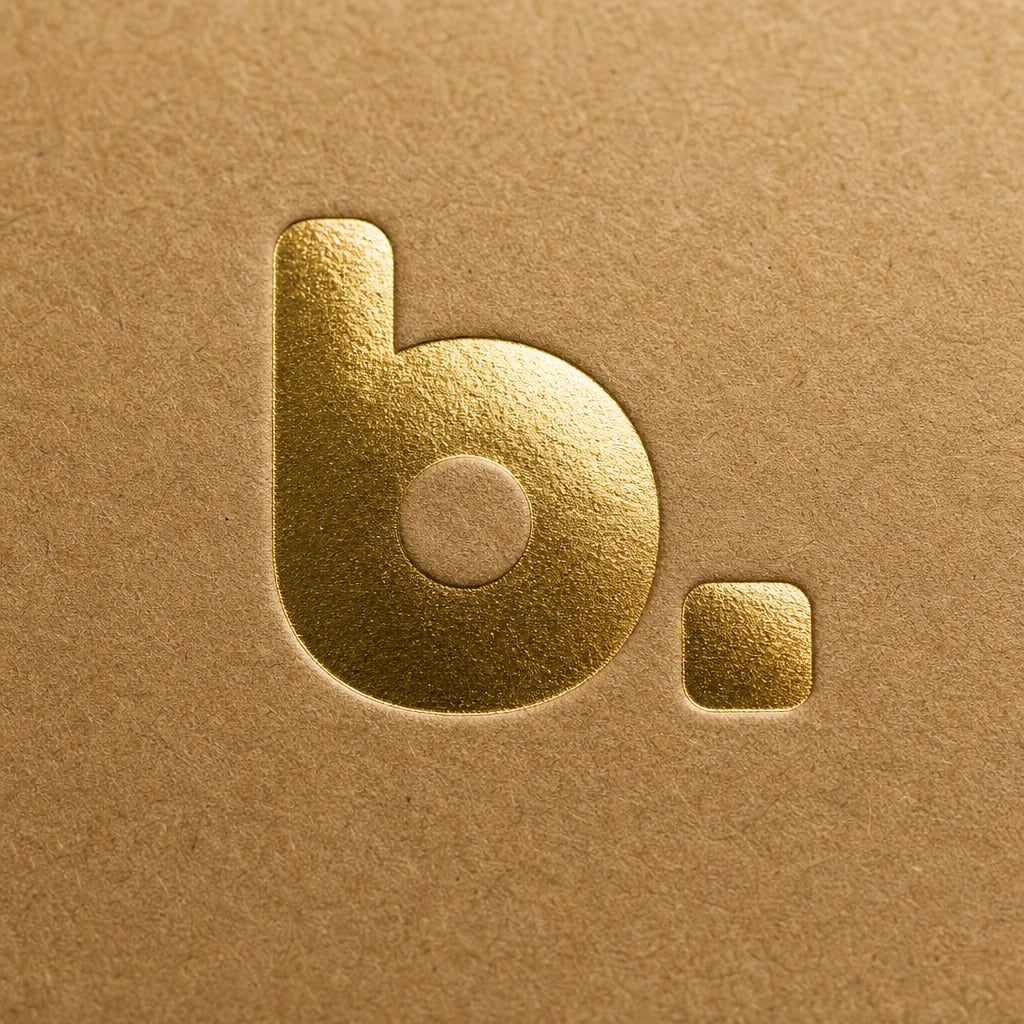
Hot foil
A heated die presses metallic leaf into the paper. It is opaque, so it reads clearly on brown kraft where an ink would sink in. Gold and silver are the usual choices, and the die also presses the shape slightly into the surface.
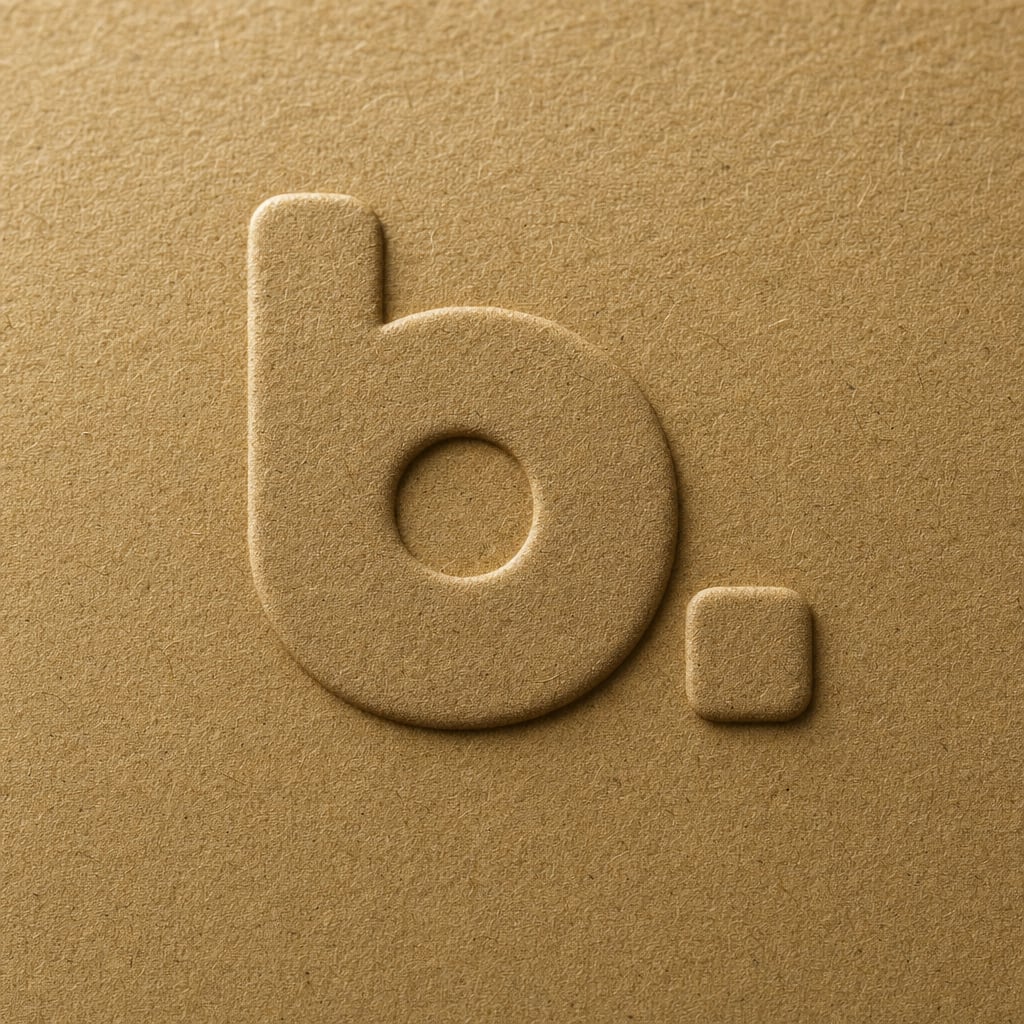
Embossing
The mark is pushed out of the paper from behind, with no ink at all. You see it because the raised edges catch the light. It works best on heavier paper, which holds the shape.
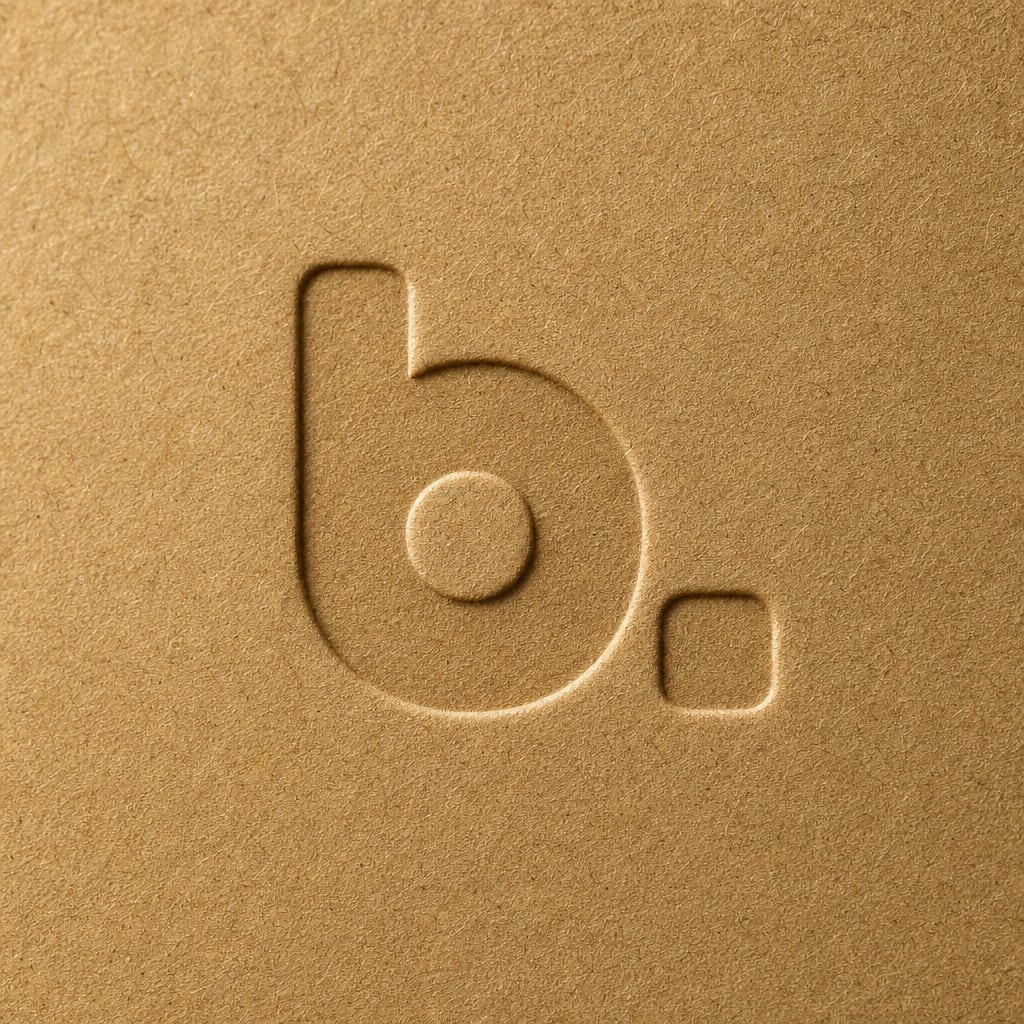
Debossing
The same die principle, pressed in instead of out. The recess holds a shadow, so the mark is quiet in flat light and clear when the light rakes across it.
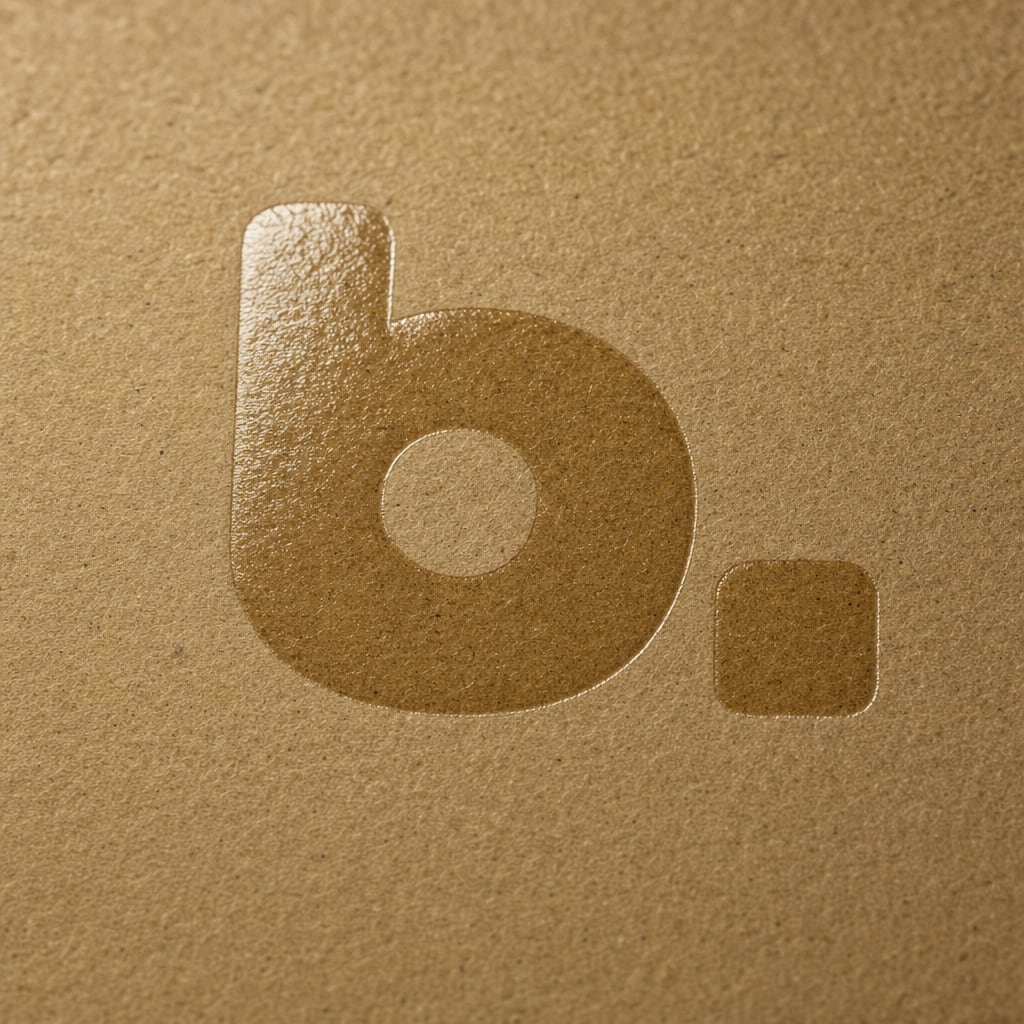
Spot UV
A gloss varnish laid only where you choose. The colour does not change, so the shape appears and disappears as the bag moves. It shows best on a matt laminated surface.
The four laminations
Lamination is a thin film bonded over the printed sheet before the bag is made. It is what makes a laminated paper bag wipeable and tear resistant, and it decides how the colour underneath reads. A bag is laminated or it is not; the four below are the choices when it is.
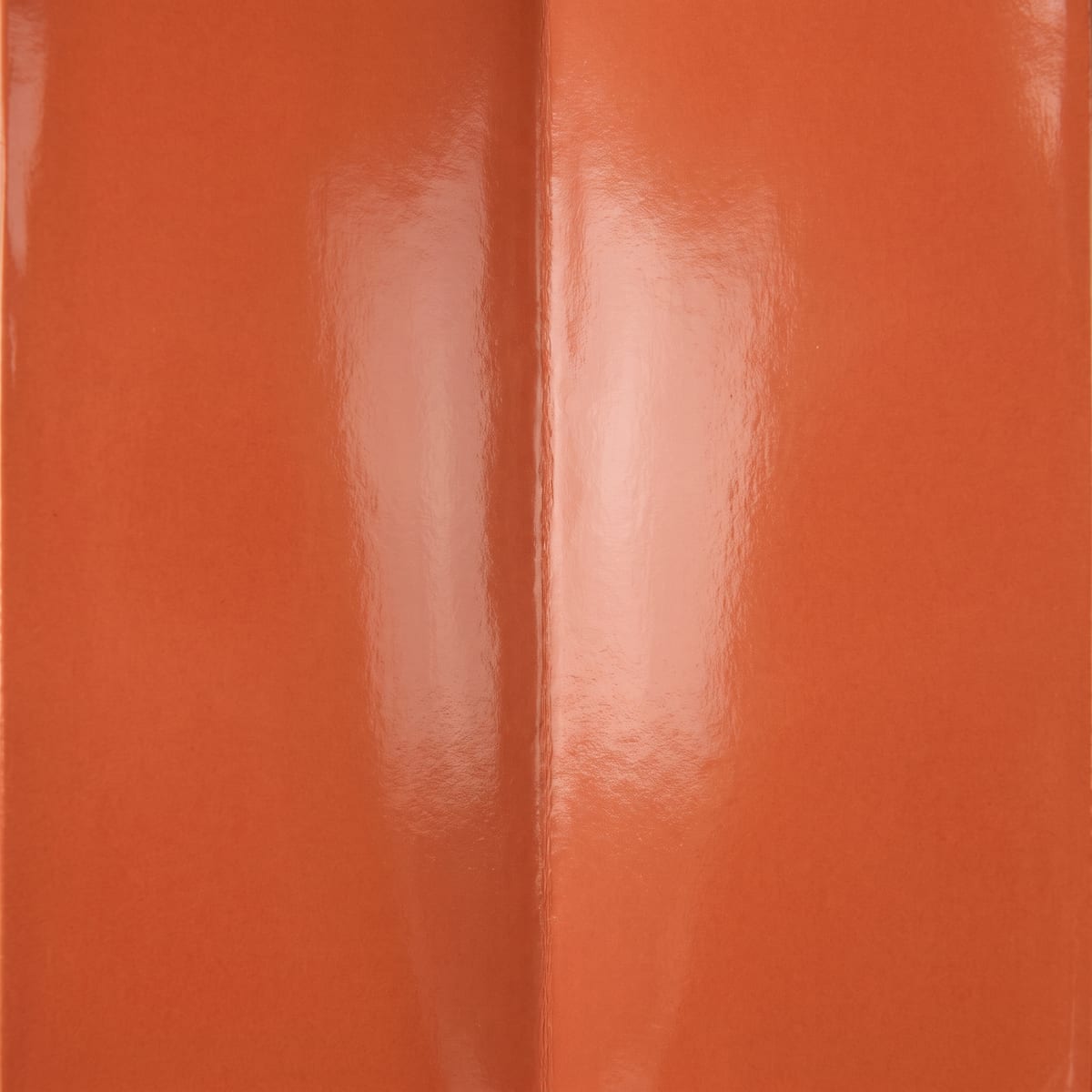
Gloss
A mirror film over the colour. It deepens the print and throws a clean reflection, and it shows fingerprints, which is why it suits colour-led retail more than a dark bag handled all day.
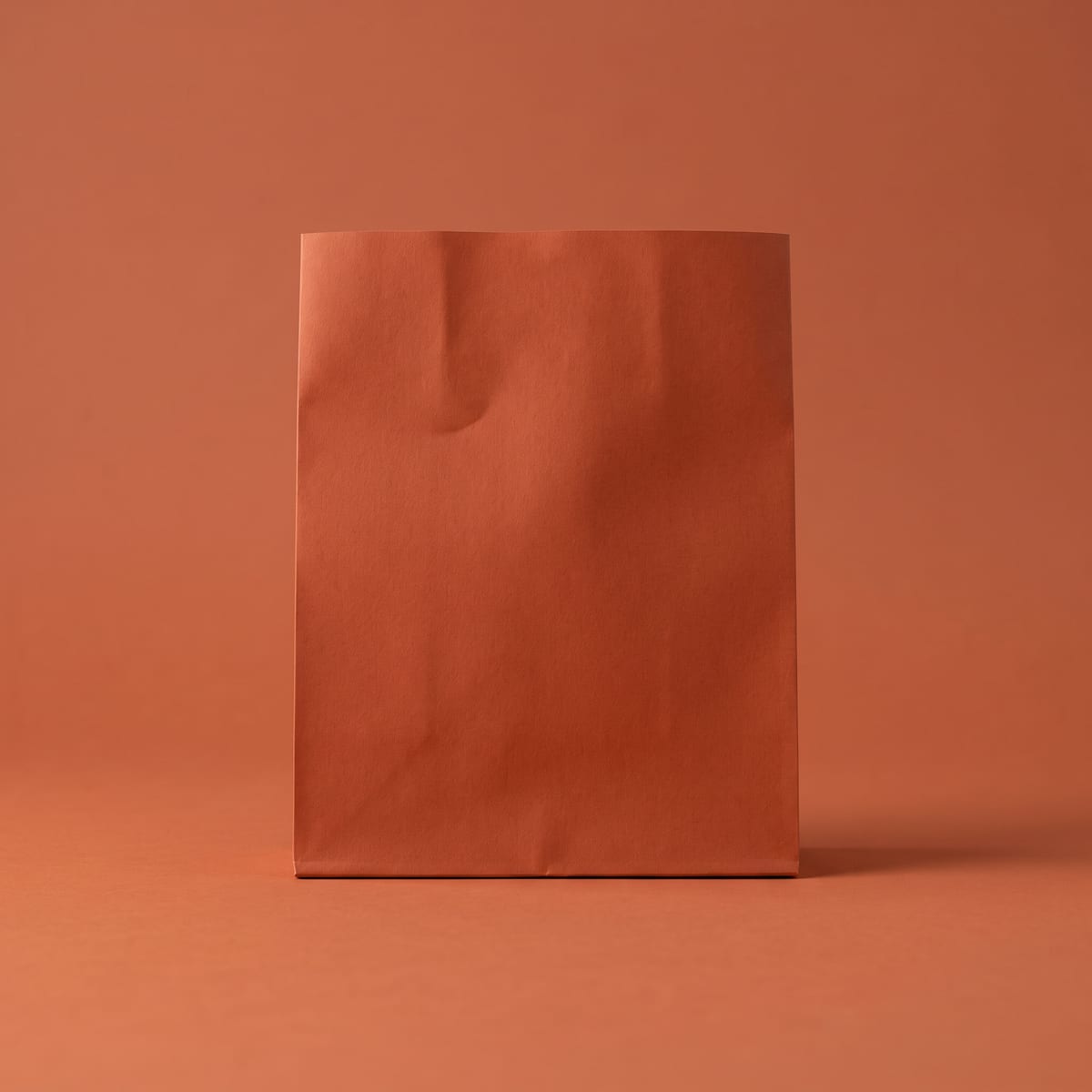
Matt
Flat and non-reflective, with a fine tooth to it. The colour reads deeper and the bag looks quieter. It is also the surface spot UV shows on best, because the gloss shape has something to contrast against.
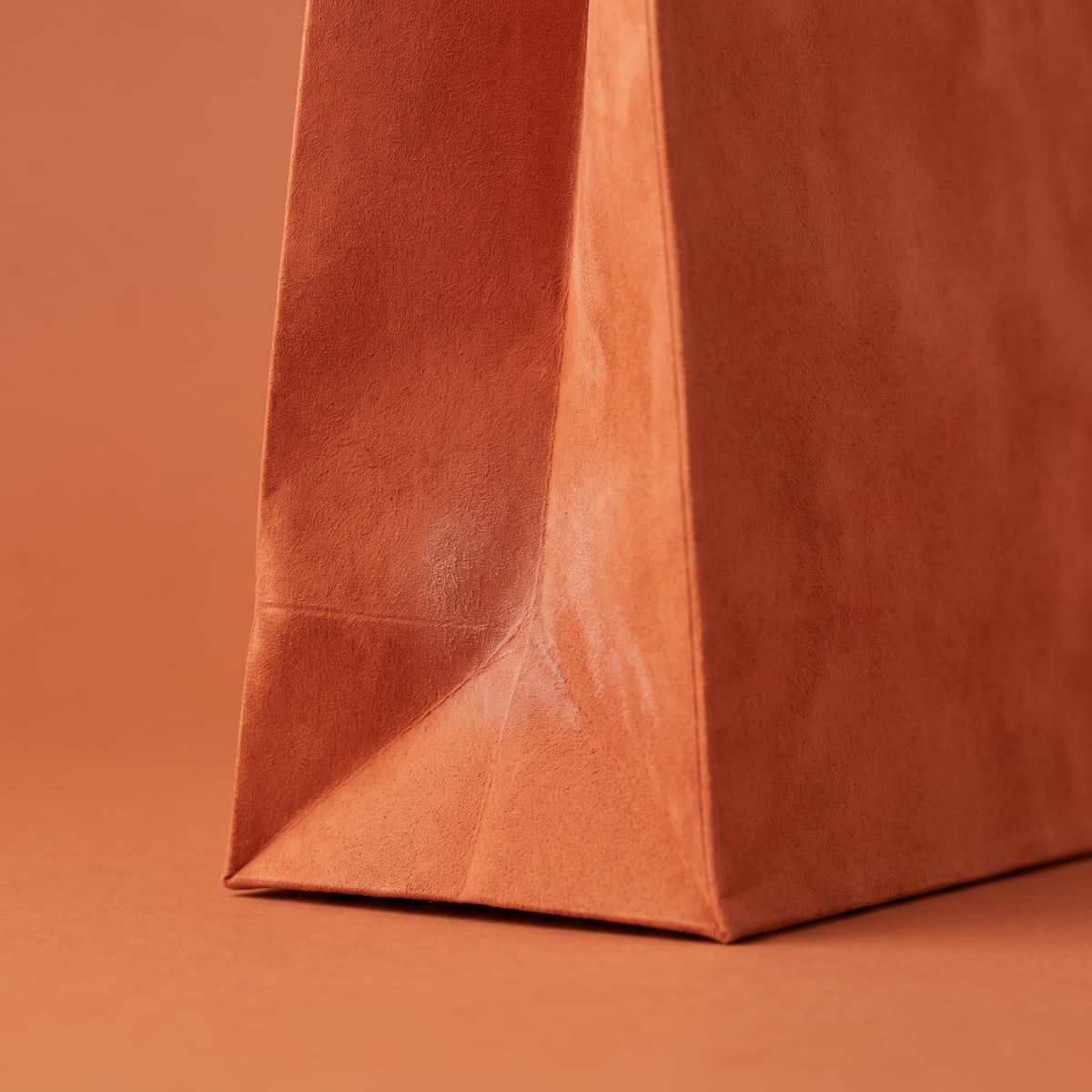
Soft touch
A velvety film that absorbs the light. People notice this one with their hands before their eyes, which is why it is the usual choice on gift and boutique bags.
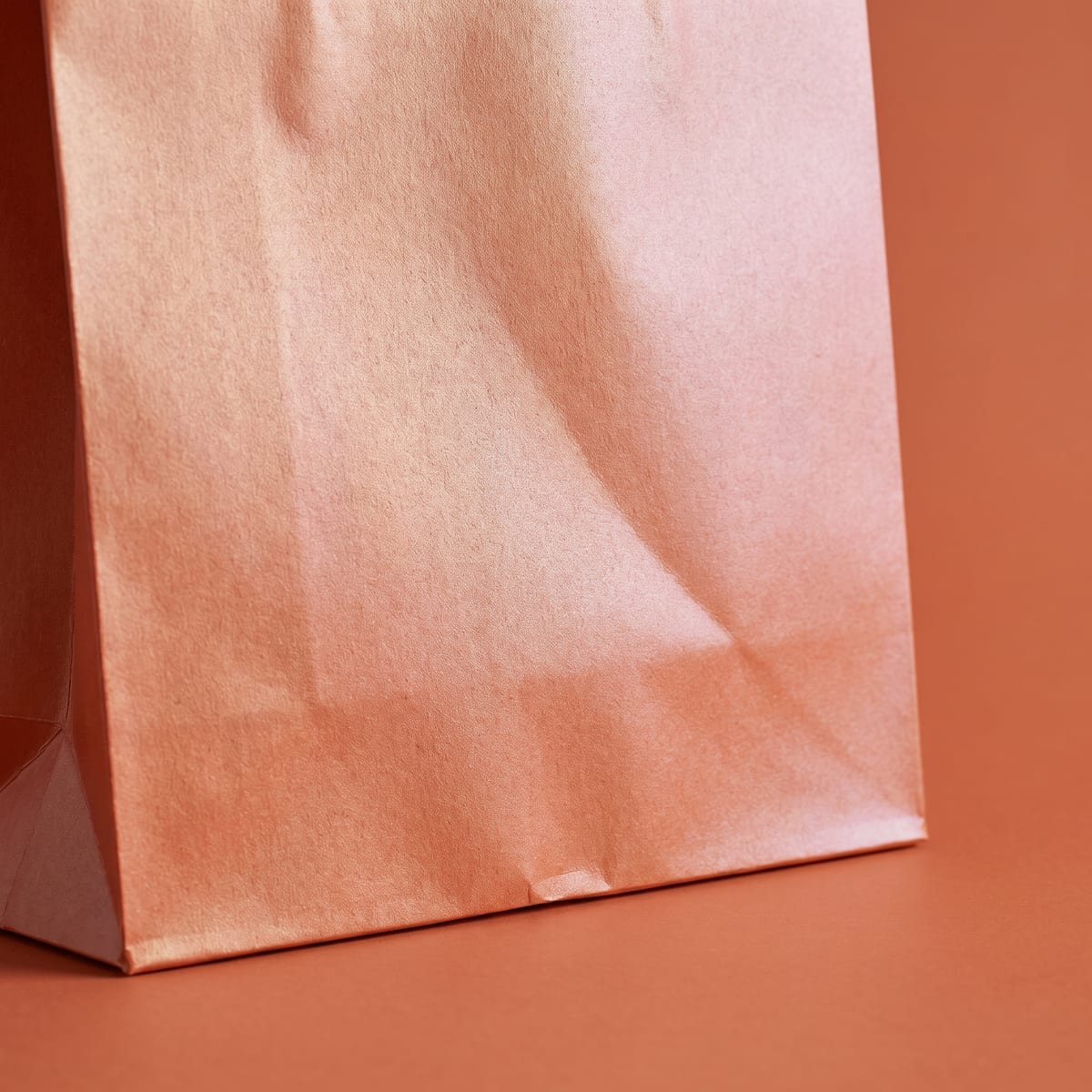
Metallic
A pearlescent sheen inside the colour that shifts as the bag moves. Different from foil: foil is stamped in one place, this runs across the whole panel.
What you get before anything is printed
Every quote comes with a free digital mockup: your artwork on the actual bag, at the actual size, so you can see how much of the front it fills. If you order, you approve a printed pre-production sample on the real material before the machines run. The sample fee comes back to you in full with the order.
Production is three weeks once artwork and sample are approved, on every bag in the range, and minimums run from 1,000 units on paper and cotton to 10,000 on flexo printed film and counter bags.
The artwork to send
- Vector artwork is best: PDF, AI or EPS, with fonts converted to outlines.
- Photographs and raster images at 300 dpi at the size they will print.
- Pantone references if you need an exact colour match. On kraft, remember the brown paper shifts every ink that is not opaque.
- Tell us which panels you want printed: one side, both sides, or edge to edge where the bag allows it.
- Keep anything critical away from the folds and the gusset. We mark the safe area on your mockup before you approve it.
If all you have is a logo on a website or a photograph of your current bag, send that. We redraw it for the mockup and tell you what we need for production.
Questions
How are paper bags printed at volume?
Most are printed by flexography while the paper is still on the reel, before the bag is cut, glued and formed. Bags that need photographic detail are printed as flat sheets by offset litho and then made into bags. Short runs and single colour jobs are often screen printed after the bag is formed.
What is the difference between flexo and litho printing?
Flexo prints from a flexible relief plate directly onto the paper reel and is the cheapest way to lay down one to four solid colours at volume. Litho prints from a plate to a rubber blanket to the sheet, holds fine detail and photographs, and suits coated art paper.
Which printing method do you use for my order?
It follows the material, the colour count and the quantity. Solid colours at high volume go flexo, photographs go litho on coated paper, a logo on kraft or on fabric goes screen print, and full colour on fabric goes digital or transfer. We tell you which one your job runs on with the quote.
What is foil stamping on a paper bag?
A heated metal die presses a thin metallic leaf onto the paper, leaving an opaque metallic mark that also sits slightly into the surface. It is used where ink would be dulled by the paper, which is why it is common on brown kraft.
What is the difference between embossing and debossing?
Embossing raises the shape out of the paper, debossing presses it in. Both use a die and no ink, so the mark is the same colour as the bag and is read by the light rather than by contrast.
What is spot UV and when is it worth it?
Spot UV is a gloss varnish applied only to chosen areas. It is worth it when the bag is matt laminated, because the contrast between matt and gloss is what makes the shape appear. On uncoated kraft the effect is much softer.
Can you print edge to edge on a bag?
On the insulated tote, yes, the print covers the full surface. On paper bags the press needs a margin to grip and fold the sheet, so a true bleed to every edge is not always possible. We show the printable area on your mockup.
How much does printing add to the price of a bag?
It depends on the method, the number of colours and the coverage, so it is quoted with the bag rather than listed. The cheapest print is one solid colour, and every extra colour or finishing pass adds a step in production.
What file should I send?
Vector PDF, AI or EPS with fonts outlined is ideal, or a 300 dpi image at print size. Add Pantone references if the colour has to match exactly. If you only have a logo from your website, send it and we redraw it for the mockup.
Written by the Bag Bureau production team. Last updated September 2026.