


What is a doypack.
A doypack is a stand-up pouch, the flexible bag that stands on the shelf on its own folded base. Granola, tea, nuts, pet treats and a lot of coffee are sold in one. This page explains how it stands, where the name comes from and how it compares with the flat bottom and side gusset shapes. Then it covers what the pouch is made of, the closures and options, and the sizes from 100g to 1kg.
The short answerA doypack is a stand-up pouch: a flexible bag with a folded gusset in its base. As the pouch fills, the gusset opens into an oval floor and the pouch stands upright. It is made from layers of film, or kraft paper on film, bonded together, and most close with a resealable zip.
How a doypack stands
The base of a doypack is a strip of material folded up inside the pouch, like a W seen from the side. Fill the pouch and the weight of the contents pushes that fold open into an oval floor. The pouch stands on it.
Empty, the fold stays shut and the pouch lies flat. So a doypack never stands up empty, and it ships and stores flat until it is filled.
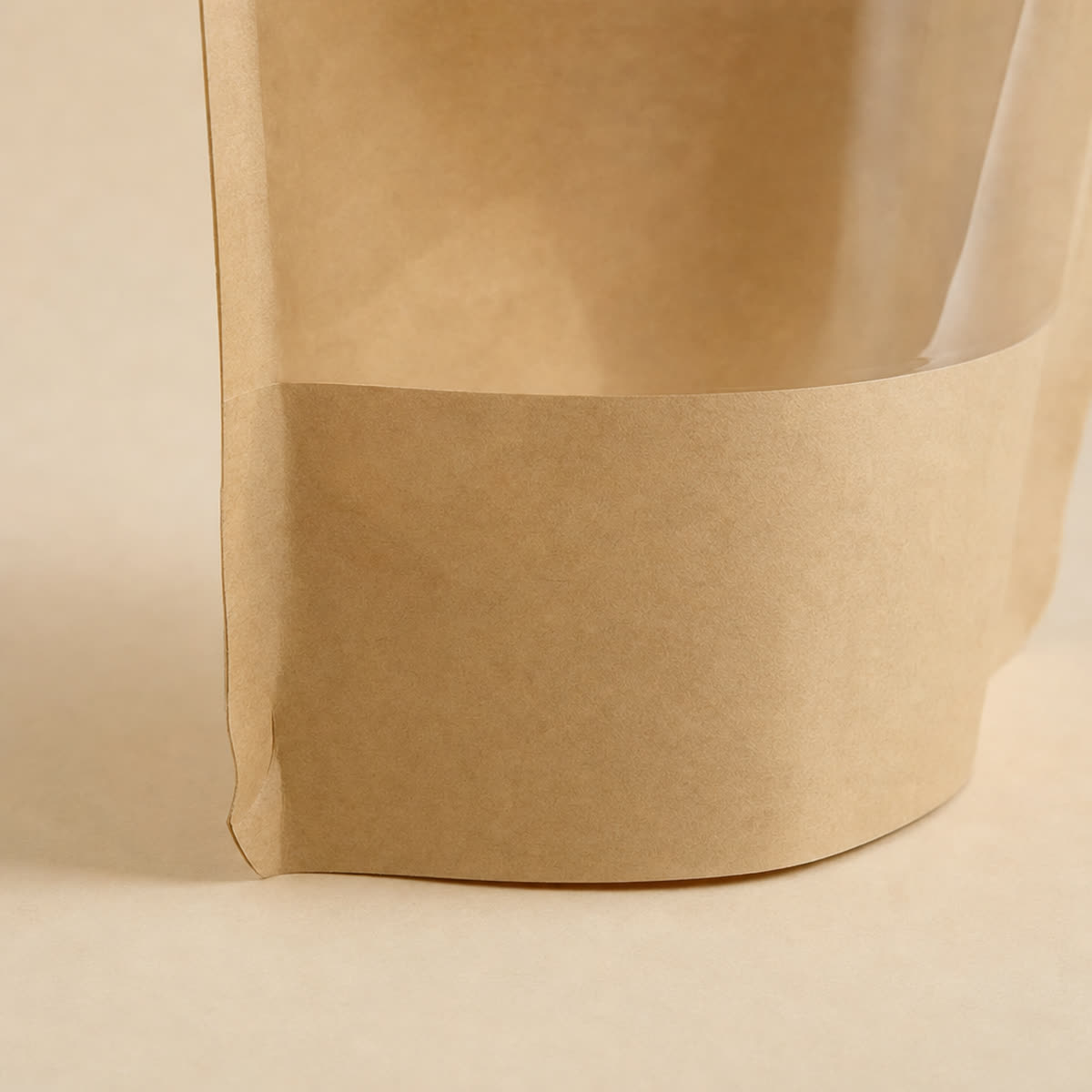
The doypack base
A folded gusset in the base that opens as the pouch fills. The everyday stand-up shape.

A kraft doypack
Kraft outer, a resealable zip and a clear window across the lower third.
Why is it called a doypack
The name comes from Louis Doyen, head of the French packaging machine maker Thimonnier, who patented the stand-up pouch in France in 1962. The first ones held fruit juice.
Doypack is short for Doyen Packaging, and it is still a registered trademark of Thimonnier. The packaging trade uses the word for any stand-up pouch with a folded gusset in the base, and that is how this page uses it.
Doypack, flat bottom or side gusset
| The base | Best for | |
|---|---|---|
| Doypack | A folded gusset that opens into an oval as the pouch fills | Granola, tea, nuts, snacks, pet treats and powders |
| Flat bottom | A square base and five panels, so it stands like a box | Specialty coffee, and anything that should face forward on a shelf |
| Side gusset | Folded sides that expand with the fill | The traditional coffee bag, closed with a tin tie or a valve |
A flat bottom pouch faces forward like a box, so the print wraps a box rather than a bag. That is why most specialty roasters use it. A doypack costs less and suits most dry goods. Tell us what goes in and where it sits, and we quote the shape that fits.
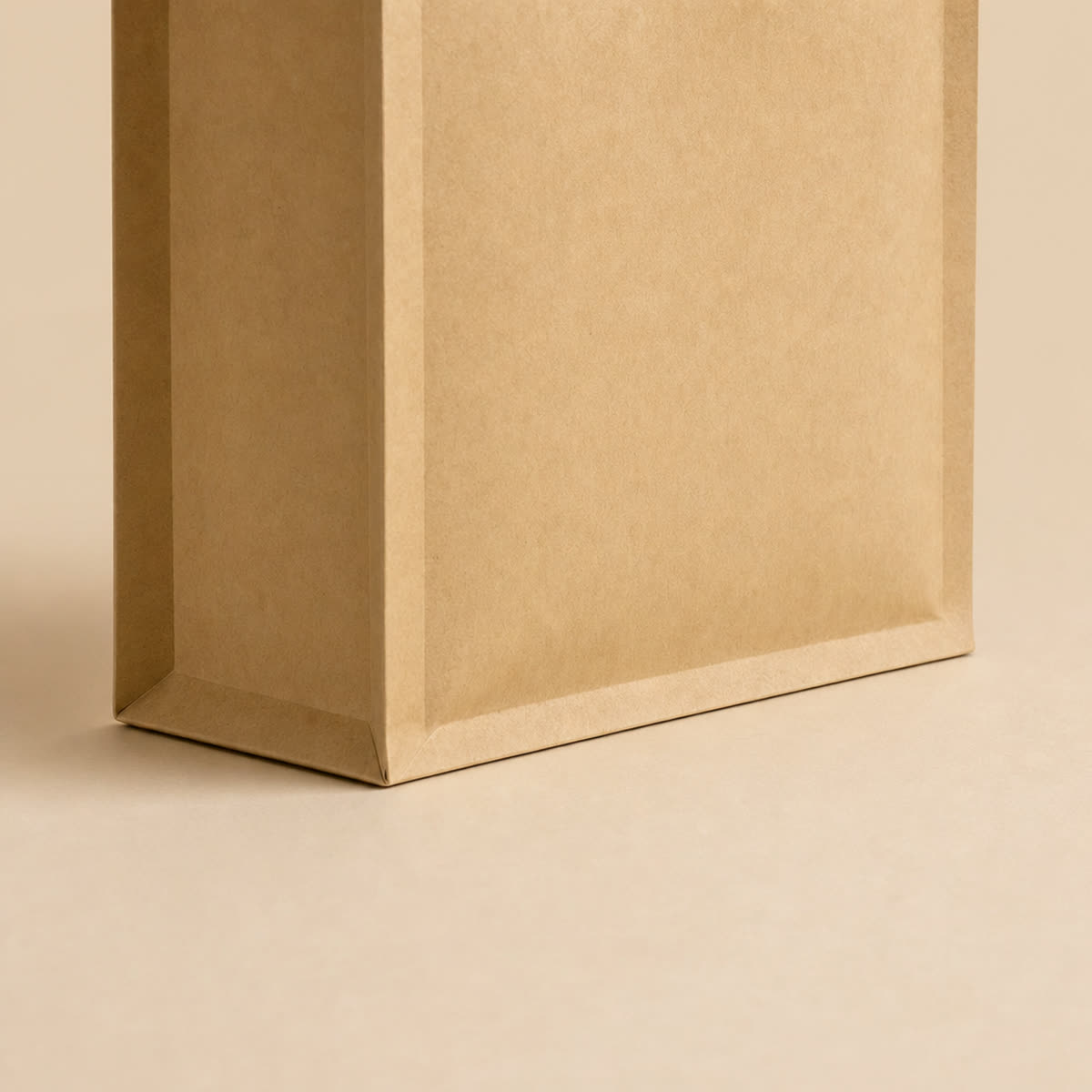
Flat bottom
Five panels and a flat base, so it stands square on a shelf. The coffee standard.
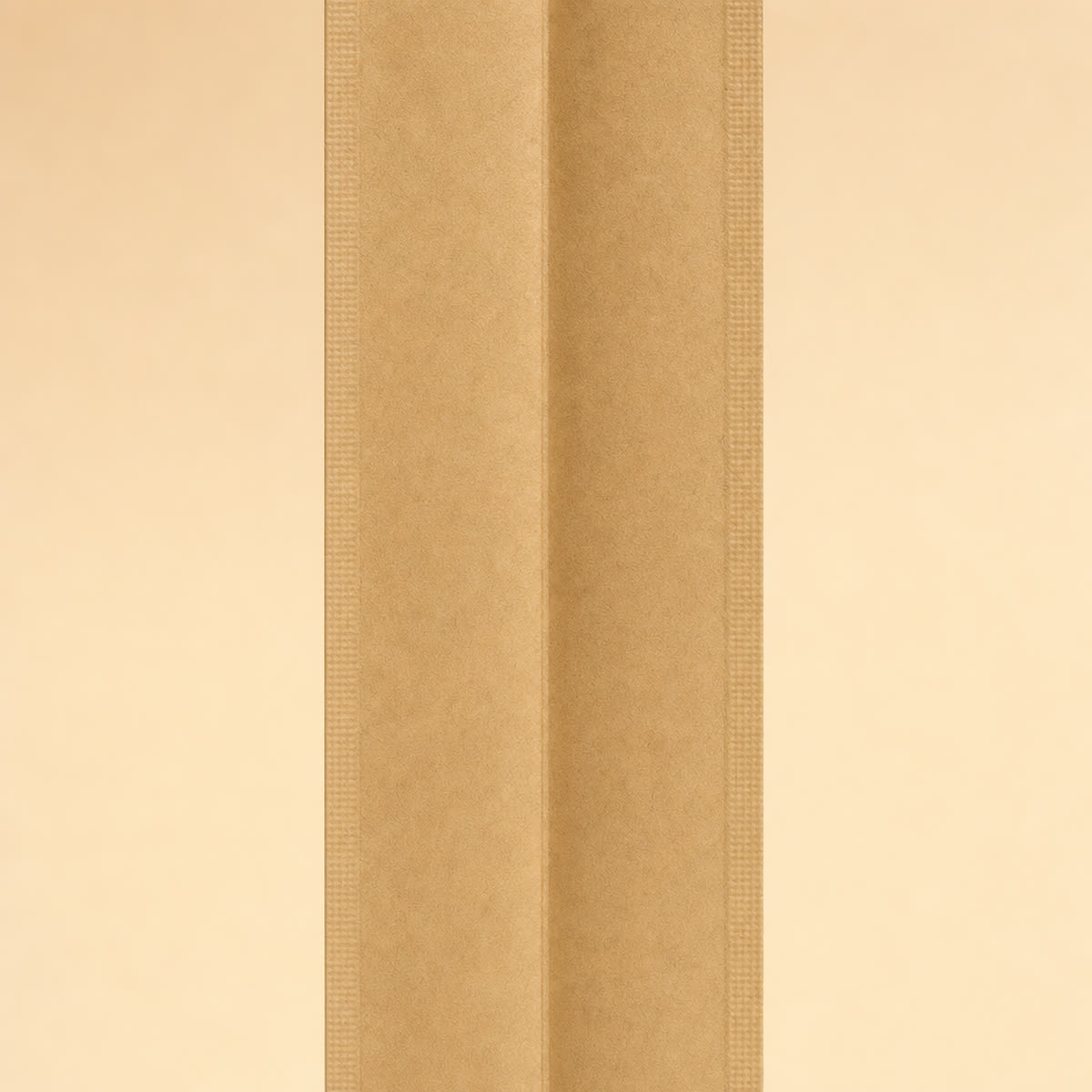
Side gusset
Folded sides that expand with the fill. The traditional coffee bag.
What a doypack is made of
A doypack is a laminate: layers bonded into one sheet. The outer layer carries the print. A barrier layer keeps out moisture, oxygen and light. The inner layer melts under heat, which is how the seams and the top are sealed shut. Ours are 0.10 to 0.12mm thick in total.
The barrier layer decides how long the contents stay fresh. These are the common structures, from the strongest barrier down:
| Structure | Barrier | Look |
|---|---|---|
| Foil laminate | The strongest. Blocks oxygen, moisture and light | Opaque, with a foil inside |
| Metallised film | High | Metallic |
| Coated clear film | High | Clear |
| Plain clear film | Moderate | Clear |
| Kraft on film | Whatever the film behind the paper gives | Paper outside |
Coffee and nuts go stale when oxygen gets in, so they need the top of that list. A product that only has to stay dry can use a lighter structure. We confirm the structure against your product and shelf life when we quote.
The outer layer sets the look. Ours come in kraft, matt, gloss, metallic or clear. Kraft is paper laminated to the barrier film, so the pouch looks and feels like paper and still holds an aroma.
Zips, valves, windows and spouts
- Resealable zip: a press-to-close track welded below the top seal. The customer tears above it once and reseals after that.
- Tear notch: a small cut in the side seal above the zip, so the first opening needs no scissors.
- One-way degassing valve: fresh coffee gives off carbon dioxide for days, and the valve lets it out without letting air back in. Only coffee needs it.
- Window: a clear panel in any shape, so the contents show without opening the pouch.
- Hang hole: a punched slot or round hole in the top seal, for shelf hooks and peg displays.
- Spout: a welded spout with a screw cap, for liquids and anything poured rather than scooped.
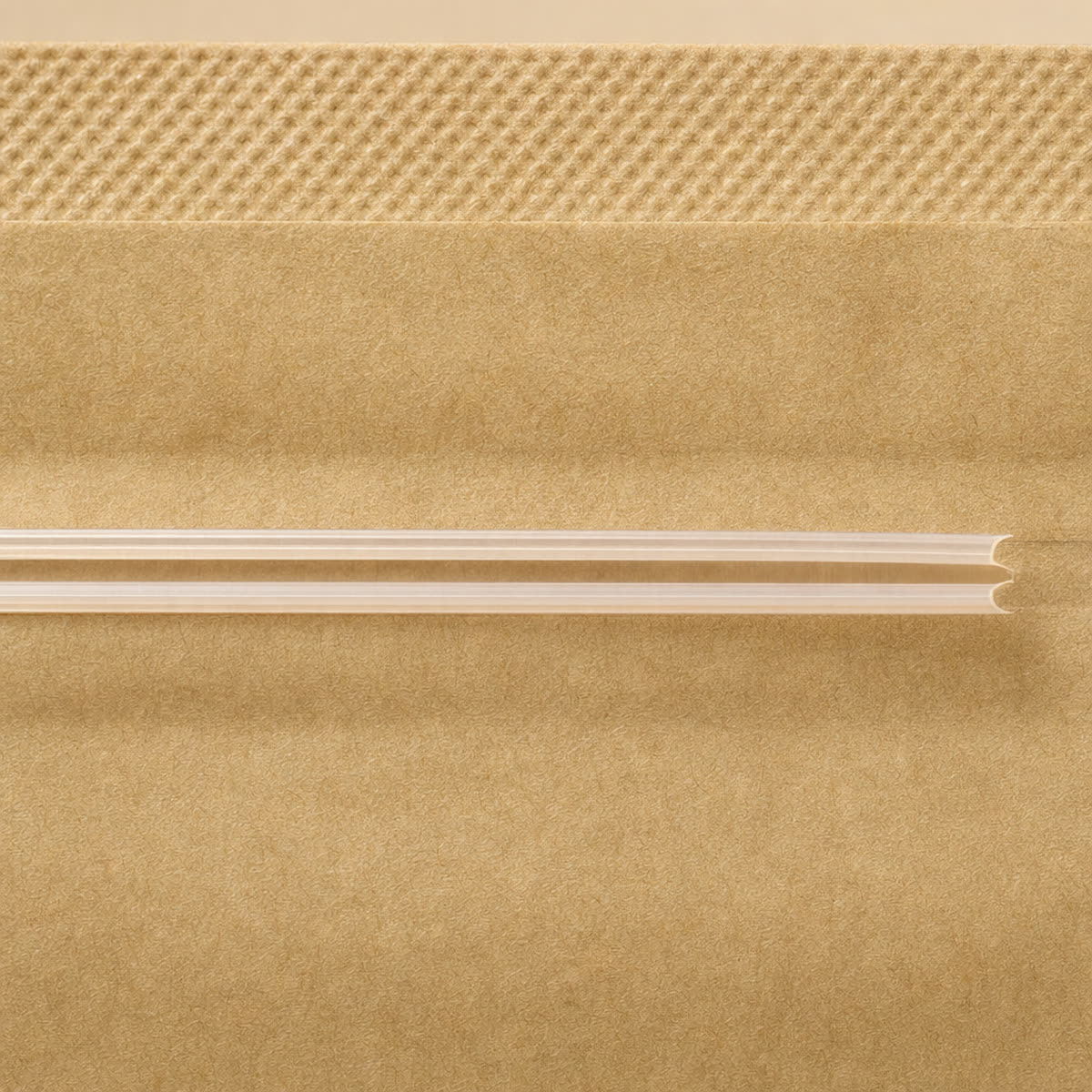
Resealable zip
Welded below the top seal. Torn open once, then pressed shut after every use.
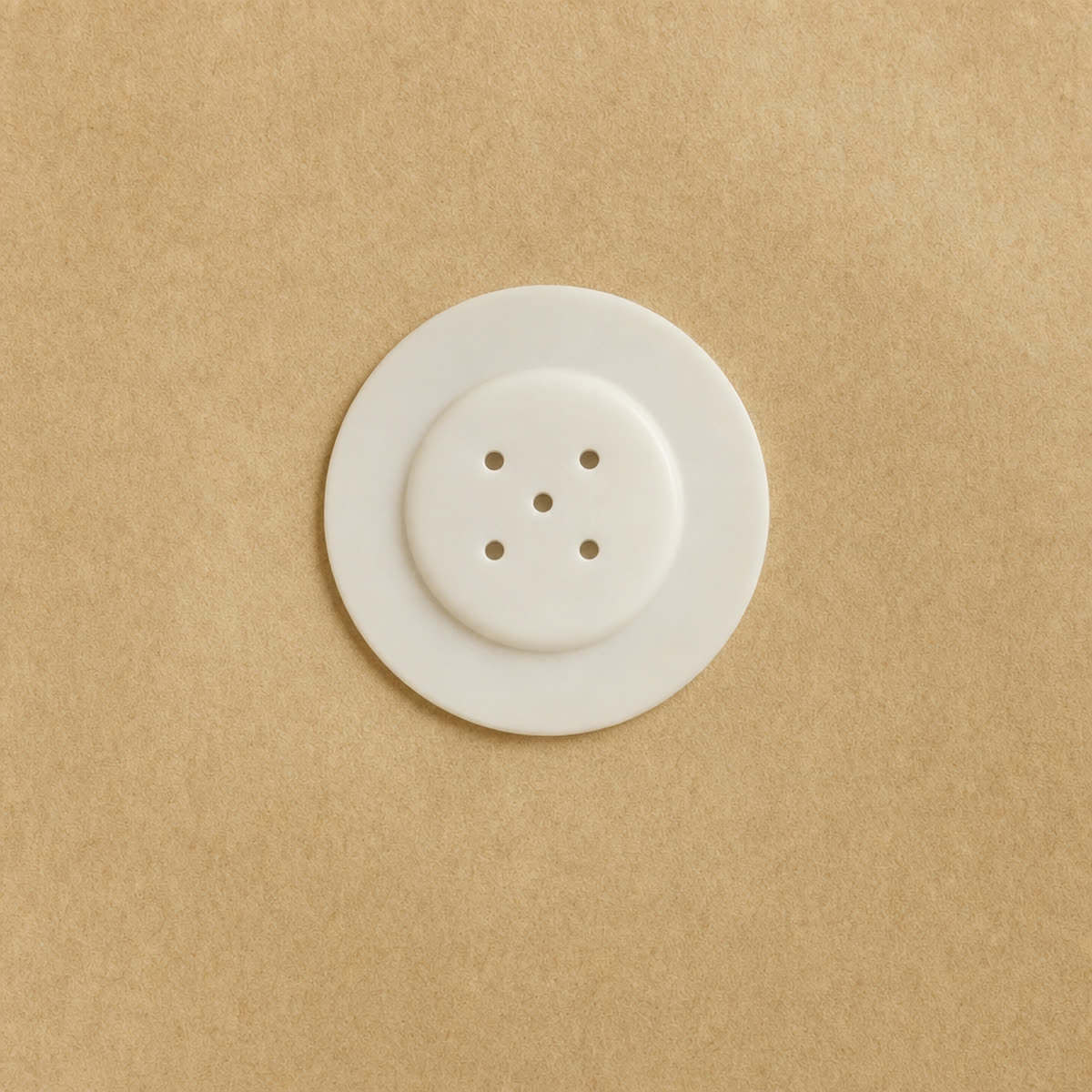
Degassing valve
Lets roasting gas out and no air in, so coffee can be packed straight after roasting.
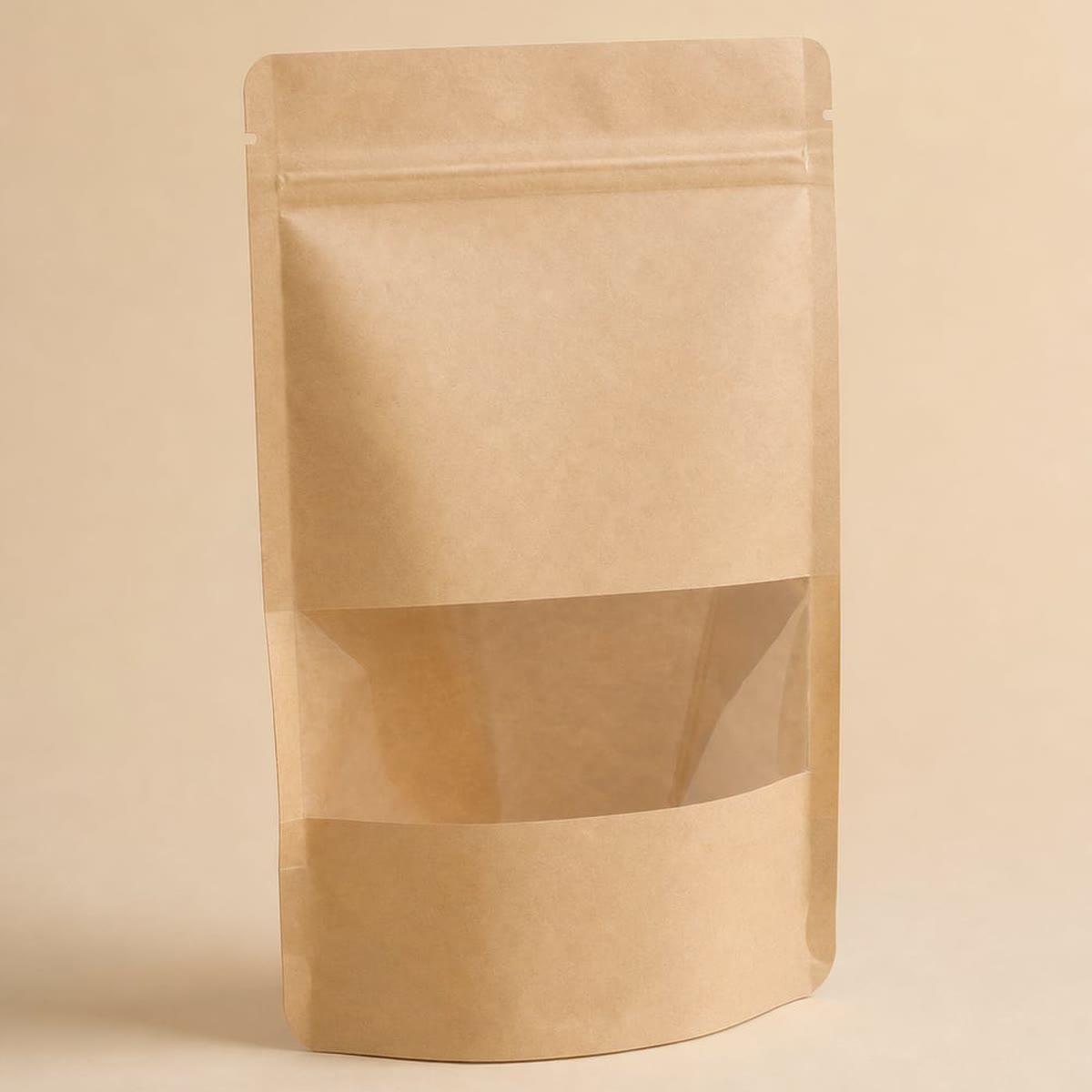
Window
A clear panel in any shape, so the product shows through the pouch.
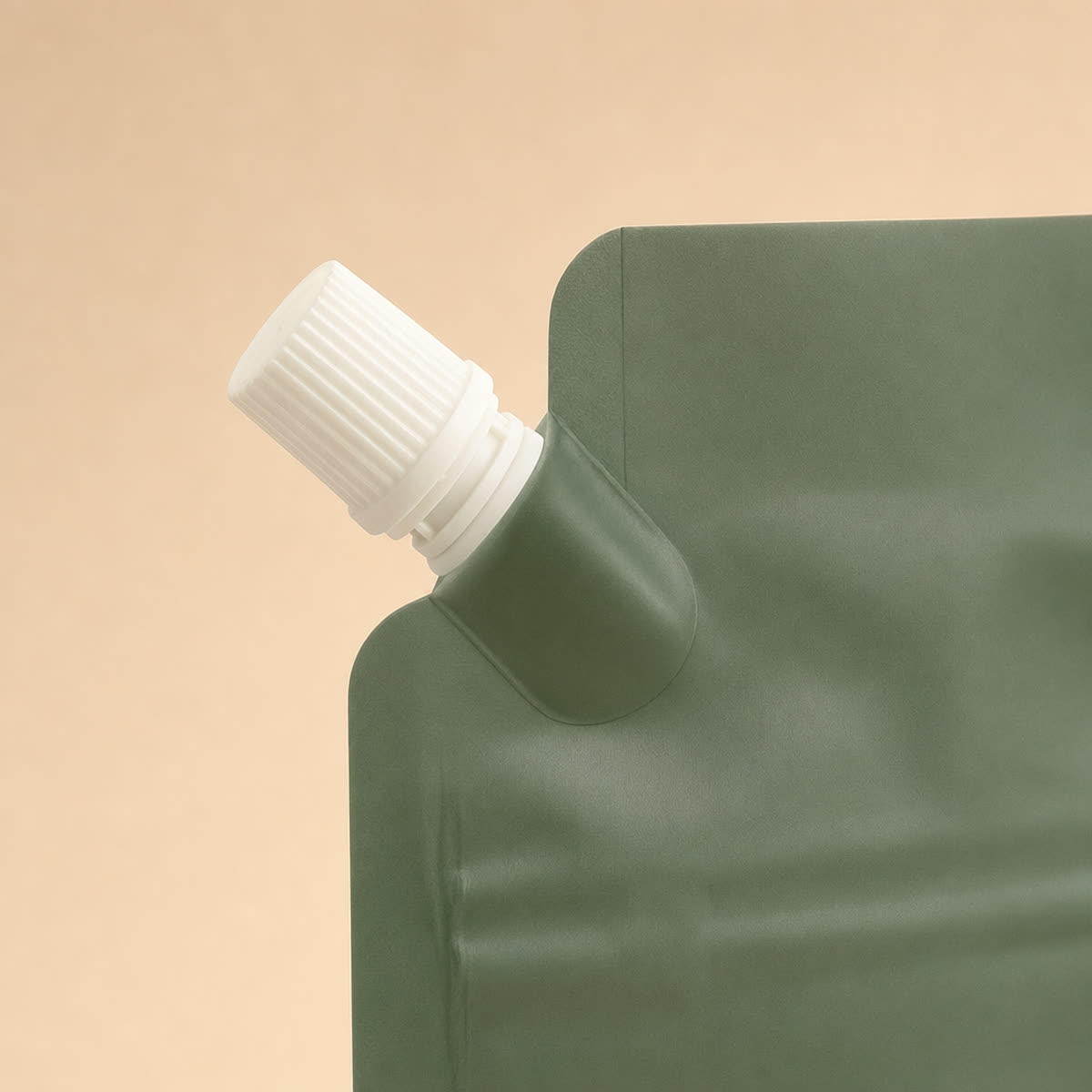
Spout
A welded spout and screw cap, for anything poured rather than scooped.
What size doypack do you need
Pouch sizes are written as width × height, plus the depth of the bottom gusset. These are our standard sizes, named for the fill weight each one is made for.
| Fill | Size (cm) | Made for |
|---|---|---|
| 100g | 9 × 18 + 5 | Sample packs and single servings |
| 250g | 13 × 20 + 7 | The specialty coffee and retail standard |
| 500g | 13.5 × 26 + 7.5 | Regulars and subscriptions |
| 1kg | 15 × 32.5 + 9.5 | Wholesale and cafe supply |
The weight a pouch holds depends on the product. Ground coffee, sugar and powders pack denser than whole beans, so the same weight fits a smaller pouch. Light snacks need a bigger one. Tell us the product and the weight, and we confirm the size against your fill before the sample is made.
Are doypacks recyclable?
Not in a household recycling stream, as a rule. The barrier that keeps the contents fresh is several materials bonded together, and mixed materials are what sorting plants reject.
Pouches made for recycling use one plastic throughout, polyethylene or polypropylene, with only a thin barrier layer. They take more care to heat seal and keep oxygen out less well than foil, so they need a shelf-life test with your product first.
A kraft outer looks like paper, but the pouch is still a laminate with plastic inside. Ask with your quote and we tell you what is available for your size and shelf life, rather than guessing here.
What doypacks are used for
- Coffee, with a degassing valve for beans packed soon after roasting.
- Granola, cereal, nuts and dried fruit.
- Tea, herbs and spices.
- Pet treats and dry pet food.
- Snacks, powders and bath salts.
In short, anything dry that gets opened more than once. A doypack is not made for hot filling, and liquids need a spout.
Ordering custom doypacks
- From 5,000 units, three weeks in production, made in China and quality checked before shipping.
- Gravure printed in full colour, or digital print for shorter runs.
- Kraft, matt, gloss, metallic or clear outers, with hot foil and spot UV.
- A free digital mockup first, then a printed sample to approve before the full run.
The product this applies to: Custom Pouches, where the same pouch also comes as a flat bottom or side gusset coffee bag.
Questions
What is the difference between a doypack and a stand-up pouch?
None in practice. A doypack is a stand-up pouch with a folded gusset in the base. Some suppliers call flat bottom pouches stand-up pouches too, because they stand as well.
Is a stand-up pouch better than a flat pouch?
For a shelf, yes. A flat pouch, sealed on three sides, has no base, so it lies down or hangs from a hook. It uses less material and suits samples and single servings.
Does a doypack stand up empty?
No. The gusset opens under the weight of the contents. Empty, the pouch lies flat, which is how it ships and stores.
What is a doypack made of?
Layers of film, or kraft paper on film, bonded together: a printed outer, a barrier layer and a heat-seal inner. Ours are 0.10 to 0.12mm thick.
Does a coffee doypack need a valve?
Yes, for coffee packed soon after roasting. Fresh coffee gives off carbon dioxide for days, and the one-way valve lets it out without letting air back in.
What is the minimum order for custom doypacks?
Ours start at 5,000 units, three weeks in production. You see a free digital mockup first, and a printed sample before the full run.
Written by the Bag Bureau production team. Last updated October 2026.